
Patient Comfort First: The New Tech Behind Breathable Blood Clot Wraps
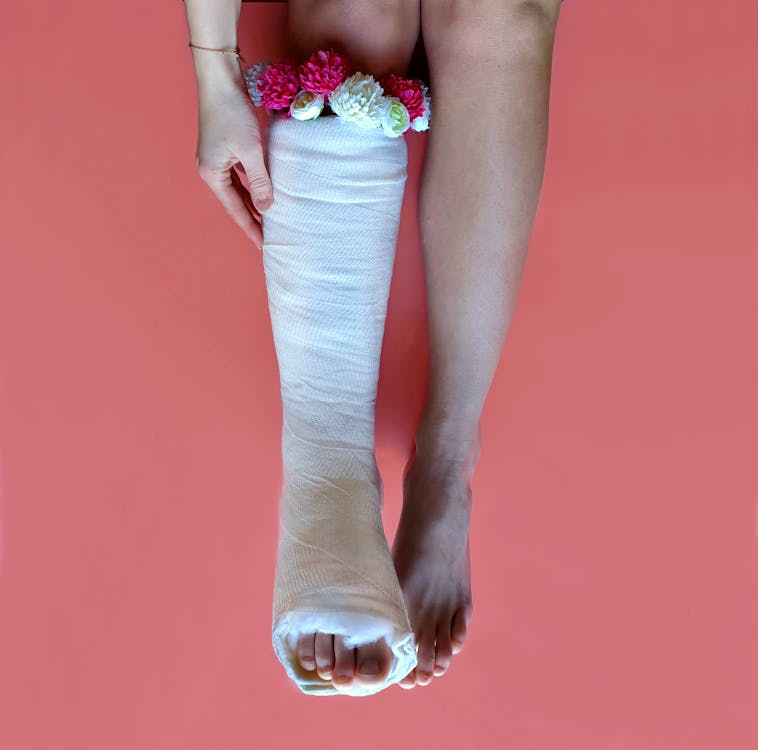
Modern blood clot wraps utilize breathable spacer fabrics and moisture-wicking textiles to prevent heat buildup and improve patient compliance.
Deep Vein Thrombosis (DVT) prevention only works if the patient actually wears the device. Traditionally, blood clot wraps have been a major source of frustration—thick, non-porous materials that trap heat and moisture against the limb. This "thermal burden" causes itching and sweating, which leads many patients to remove the wraps prematurely. As we move into 2026, the industry is fixing this with a new generation of gear focused on thermal regulation and moisture management.
The Thermal Challenge of DVT Prevention
Compression garments require specific, graduated pressure to move blood toward the heart. In the past, achieving this meant using heavy elastomers like neoprene. These materials provide great compression but zero airflow. The result is a microclimate between the skin and the wrap that spikes body temperature and causes irritation.
Modern manufacturing and innovative designs have introduced "spacer fabrics" to solve this. These 3D-knitted textiles create a physical gap between the inner and outer layers of the wrap. This gap acts as a ventilation corridor, allowing body heat to escape while maintaining the structural tension required for medical-grade compression. When heat can dissipate, the discomfort that usually leads to non-compliance disappears.
Moisture Management and Skin Integrity
Beyond heat, moisture is a critical threat to skin health. When sweat is trapped under a calf blood clot wrap, it can lead to skin maceration or dermatitis. To prevent this, high-performance blood clot wraps now utilize synthetic fibers with built-in capillary action. These fibers pull moisture away from the skin and move it to the outer surface, where it can evaporate quickly.
By prioritizing custom manufacturing and innovative designs, developers are also using laser-cut perforations in specific zones. These allow for targeted cooling without weakening the wrap’s compression profile. The result is a calf blood clot wrap manufactured in collaboration with Stitch Texas that feels less like a restrictive medical device and more like high-end athletic apparel. This shift makes it easier for patients to tolerate the long-term wear required for a safe recovery.
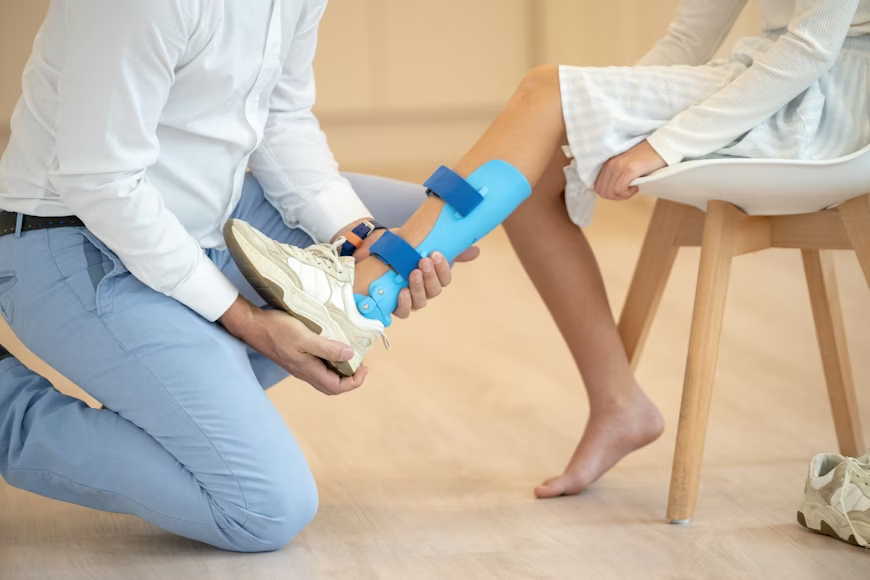
Technical manufacturing innovations allow for medical-grade compression wraps that maintain therapeutic pressure without causing skin irritation or thermal discomfort.
Improving Outcomes Through Ergonomics
Clinical success in DVT recovery is directly tied to "wear time." If a patient is comfortable, they are much more likely to follow a 24-hour wear protocol. New designs feature soft-touch polymers and flat-lock seams that prevent the chafing and migration common in older models. By addressing the physical discomfort of recovery gear, the medical industry is ensuring that patients stay protected throughout the most vulnerable stages of their recovery.
Partner with Stitch Texas
Bringing complex medical textiles to life requires a partner who understands both clinical requirements and wearer comfort. Stitch Texas is a full-service partner offering fabric sourcing, pattern making, and manufacturing services with a focus on sustainability and domestic production. We provide the technical expertise and local quality control needed to build superior medical solutions and bring your design ideas to life. Get in touch with us to learn more.