
From Ward to Wash: The Molecular Science of Longevity in Medical Fabrics
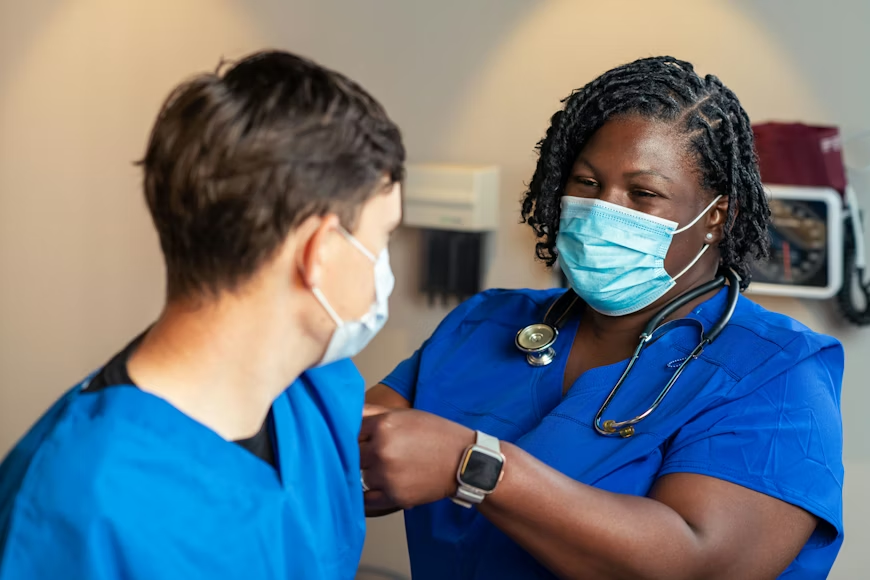
High-density weave structures and advanced molecular bonding are critical factors in extending the functional lifespan of medical textiles.
For hospital procurement officers, the lifecycle of a garment is often measured by its resistance to the industrial laundry cycle. However, the true durability of medical fabrics is determined long before the first wash, starting at the molecular level of the fiber itself. Understanding the intersection of textile chemistry and mechanical construction is essential for facilities looking to move away from the high-cost cycle of frequent replacements and toward a sustainable, high-ROI apparel strategy.
Molecular Integrity and Weave Density
The longevity of a garment begins with its Grams per Square Meter (GSM) and the specific architecture of its weave. High-performance medical fabrics utilize high-density weaves that provide a physical barrier against microscopic abrasions. When fibers are tightly interlaced, the fabric is less prone to "pilling"—the formation of tangled fiber balls caused by mechanical friction. This is particularly vital for medical scrubs in Austin, manufactured in collaboration with Stitch Texas, where the humidity can exacerbate fabric wear if the textile isn't engineered for high-performance breathability and structural resilience.
By selecting textiles with superior tensile strength, facilities ensure that their garments maintain their professional silhouette through dozens of high-heat cycles. A denser weave also provides a more stable substrate for advanced finishes. While a loose weave might feel soft initially, it lacks the internal structure to hold its shape or protect the wearer from the environmental stressors of a modern clinical ward.
Antimicrobial Finishes and Chemical Resilience
The modern clinical environment demands that textiles do more than just cover the body; they must actively contribute to a sterile field. Antimicrobial finishes, such as those utilizing silver ions or zinc compounds, are integrated into the fibers to inhibit microbial growth. The challenge for procurement is ensuring these finishes don't wash away. High-quality medical apparel in Austin utilizes bonding agents that keep these protective layers active through fifty or more industrial washes.
This chemical resilience is a major driver of ROI. When a protective coating expires prematurely, the garment loses its clinical utility, even if the fabric is still intact. By sourcing technical medical fabrics that prioritize chemical bonding, hospitals protect their staff from cross-contamination while significantly extending the functional lifespan of their inventory. This dual focus on safety and durability is what separates professional-grade gear from budget imports.
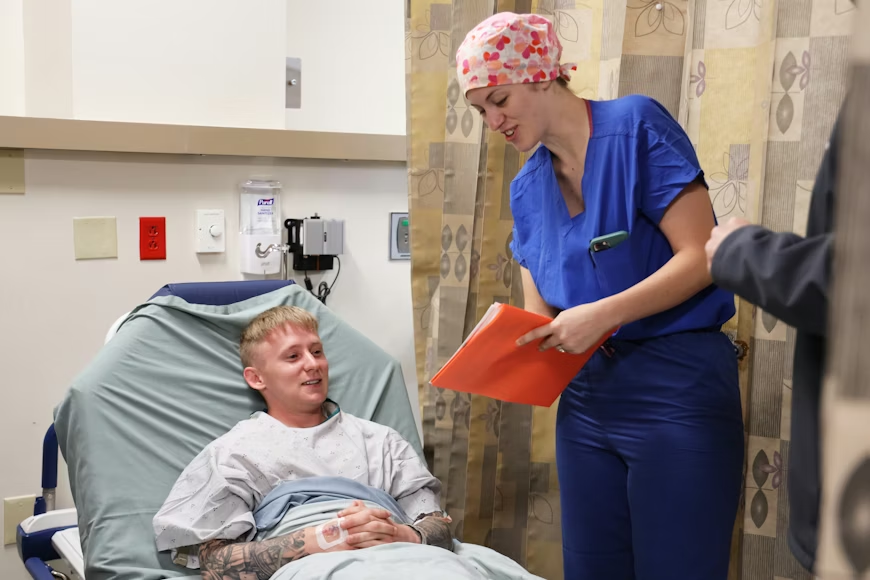
Localized manufacturing and technical fabric sourcing provide a superior return on investment by reducing garment failure in industrial laundry environments.
The Strategic Value of Domestic Production
The complexity of modern medical textiles requires a level of quality oversight that is difficult to achieve with long-distance supply chains. When sourcing medical scrub manufacturing services in Austin, proximity allows for more rigorous testing of batch consistency and fiber integrity. Localized manufacturing for your designs ensures that the high standards required for medical apparel in Austin are met at every stage, from the initial pattern making to the final reinforcement of high-stress seams.
Investing in domestically produced, high-performance textiles allows healthcare facilities to reduce their environmental footprint while securing a more reliable supply of critical gear. As hospital budgets face increasing scrutiny in 2026, the focus must remain on the total cost of ownership rather than the initial purchase price. Superior textiles represent a durable asset that supports both the budget and the provider.
Partner with Stitch Texas
Stitch Texas is a full-service partner offering fabric sourcing, pattern making, and manufacturing services with a focus on sustainability and domestic production. We specialize in bridging the gap between advanced textile science and the practical needs of the medical industry, providing precision-engineered manufacturing solutions for your designs. Contact us today to learn how our specialized medical division can help you optimize your facility's apparel ROI.