Skin-to-Skin Functional Design: Engineering Labor Gowns for Immediate Postpartum Access
Traditional hospital wear is notoriously restrictive, particularly during the crucial "Golden Hour" immediately following childbirth. Modern expectant mothers seek maternity apparel that facilitates immediate, unhindered maternal-infant bonding. By prioritizing technical pattern design, modern labor gowns merge clinical utility with postpartum comfor
Read More
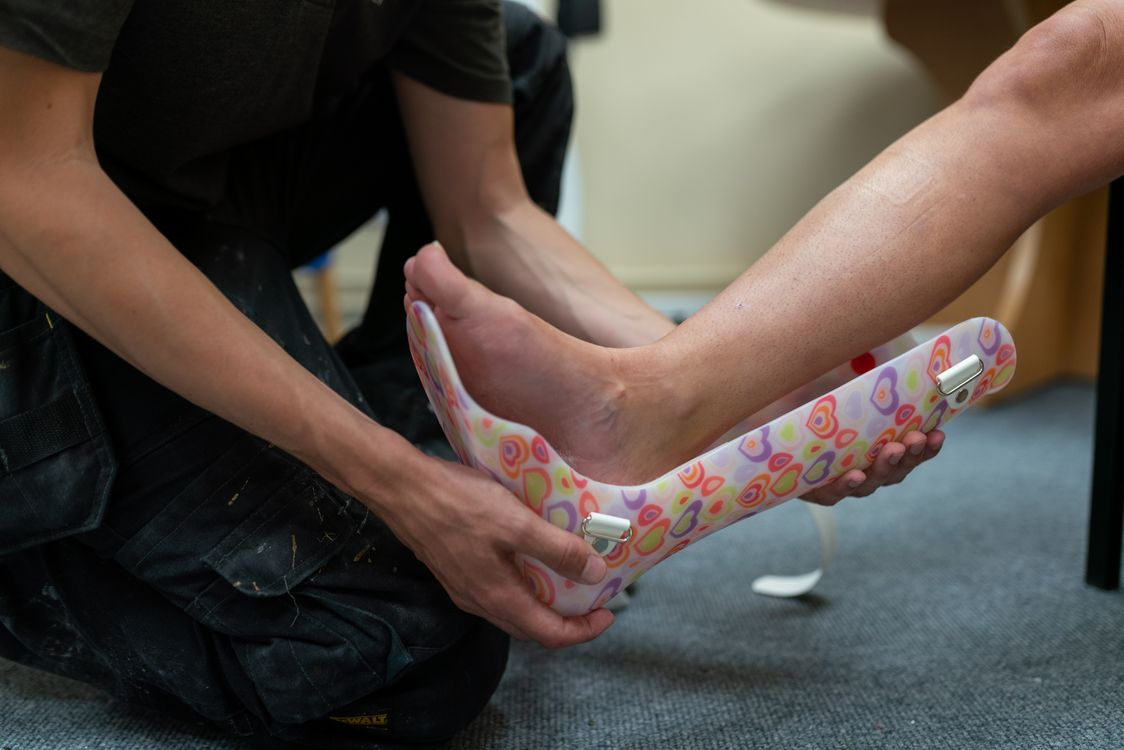
The Science Behind Spinal Alignment and External Orthotic Support
The human spine is a complex, dynamic structure responsible for load-bearing, mobility, and central nervous system protection. When structural deviations like scoliosis or hyperkyphosis alter this balance, targeted mechanical intervention becomes necessary.
Read More
The Importance of Durable Medical Apparel in High-Use Hospital Settings
In high-velocity healthcare facilities, garments face severe wear long before they ever enter an operating room or patient ward. The baseline for hospital hygiene mandates aggressive, high-temperature industrial laundering cycles combined with harsh chemical sanitizers to eliminate pathogens.
Read More
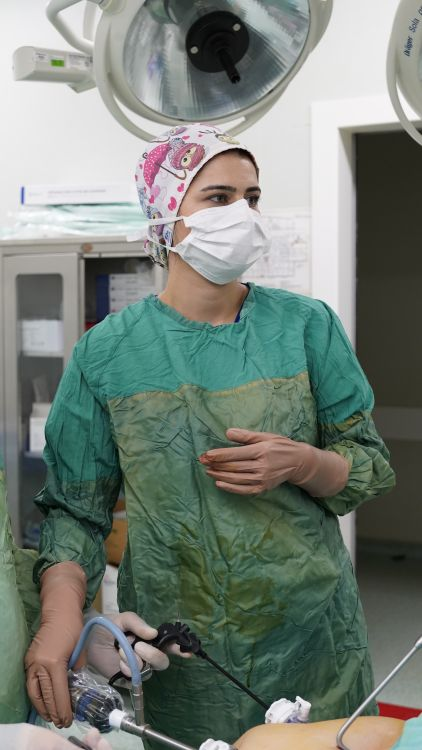
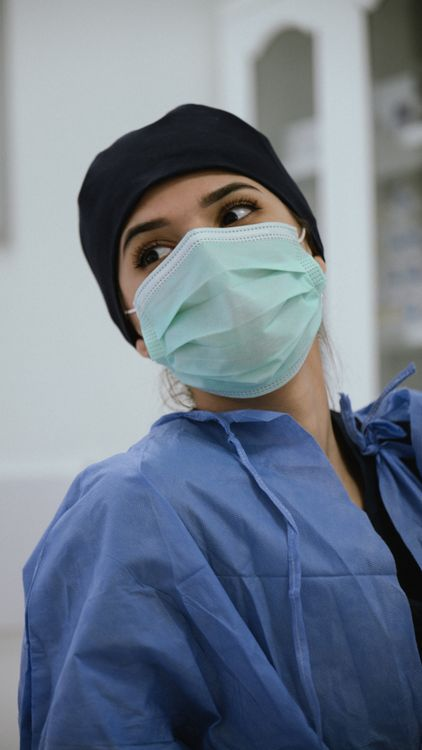
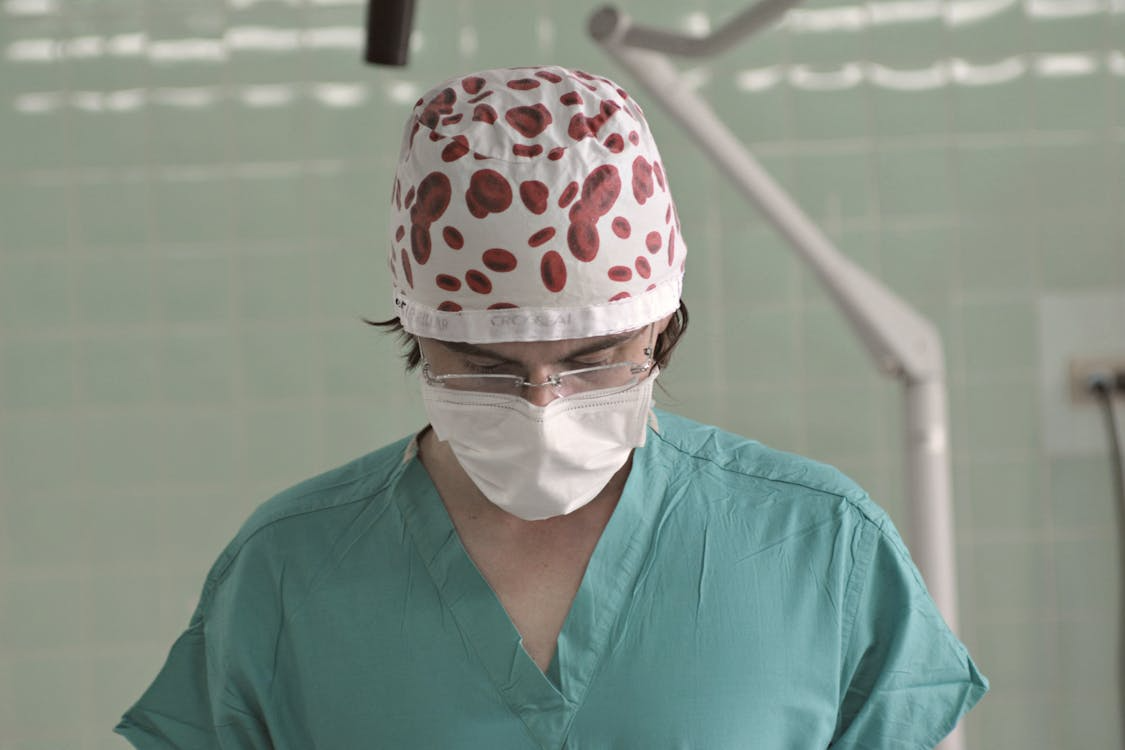
How Surgical Cap Fit Impacts Sterility and Performance in the OR
In the operating room, maintaining a sterile field is paramount to preventing surgical site infections (SSIs). While significant attention is paid to gowns and gloves, headwear is an equally vital line of defense.
Read More
Patient-Centered Design in Birthing Apparel: What Hospitals Are Changing
For decades, standard hospital gowns left much to be desired during labor. They were often oversized, difficult to tie, and exposed patients at vulnerable moments. Today, healthcare facilities are shifting toward intentional, patient-centered birthing apparel design to preserve a mother’s dignity.
Read More
Breathable Surgical Caps for Long Procedures and High-Stress Environments
The operating room demands absolute focus, precision, and endurance. During multi-hour surgeries, the physical comfort of the surgical team directly impacts cognitive stamina.
Read More
How Rehabilitation Centers Benefit from Custom Orthopedic Support Solutions
In modern physical therapy and post-surgical recovery, standard medical equipment often falls short of meeting complex patient needs. Progressive rehabilitation centers are moving away from generic off-the-shelf braces in favor of specialized, tailored soft-goods.
Read More
The Power of Color: How Hospitals Use Apparel to Calm and Direct Patients
A hospital can be an intimidating landscape of sterile corridors, fluorescent lighting, and technical jargon. For a patient, navigating this environment is often a source of significant anxiety.
Read More
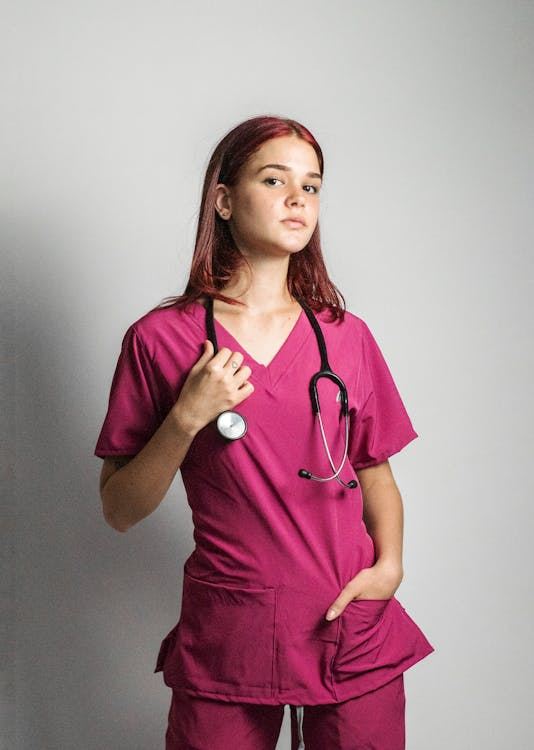
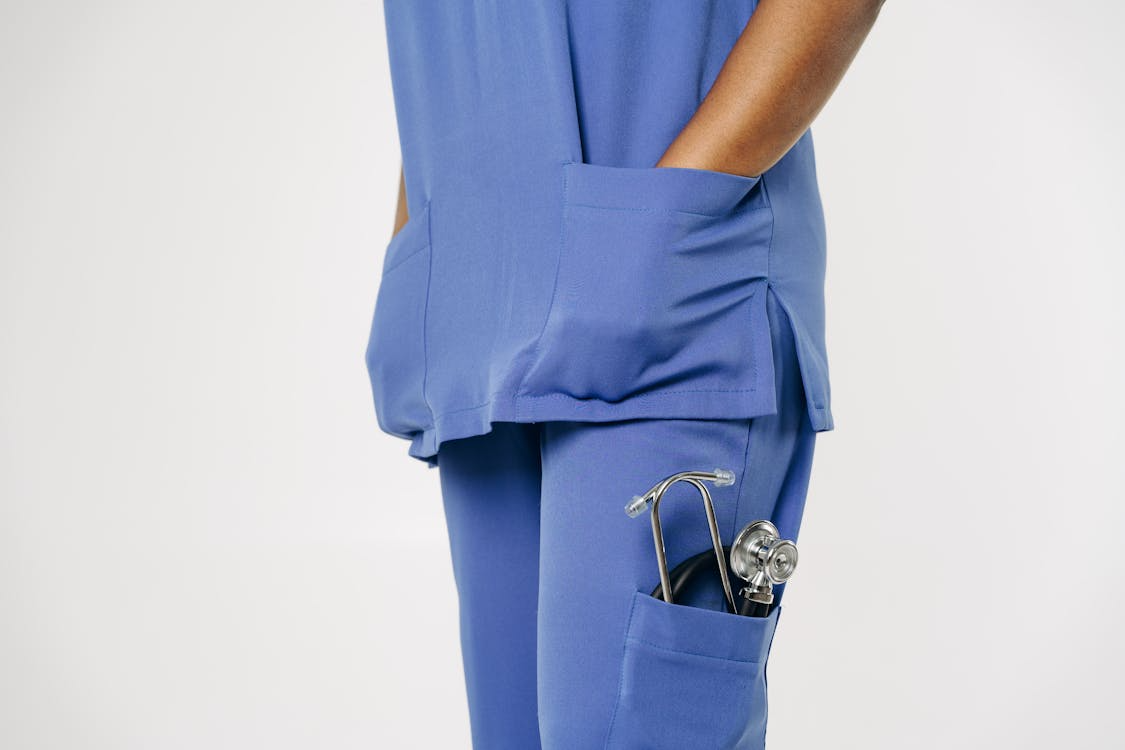
More Than Just Pockets: How Smart Uniform Design Supports Busy Nurses
The 12-hour shift is the standard unit of measurement in modern nursing, but it is also a grueling test of human endurance. For a nurse, the uniform is more than just a dress code; it is a piece of medical equipment that is expected to perform under high-pressure conditions.
Read More
The "Invisible" Brace: How Sleek Designs are Changing Scoliosis Care
For decades, the medical industry treated scoliosis bracing as a purely mechanical challenge. The resulting garments were often cumbersome, rigid, and highly visible, leading to significant psychological distress and low compliance rates among patients.
Read More
The Prototype Secret: How to Test Your Medical Designs Before Going Big
Scaling medical designs from a single, hand-sewn sample to a 10,000-unit production run is the most dangerous phase for any apparel brand.
Read More
Avoiding the "AI" Look: How to Give Your Medical Brand a Human Touch
In an era where digital automation and algorithmic design dominate the market, a growing number of healthcare practices are facing a "sameness" crisis
Read More
OR Style: How Custom Surgical Caps Improve Team Communication
In the highly sterile environment of the operating room, where every staff member is shrouded in nearly identical gowns, masks, and gloves, the "human factor" can often become obscured.
Read More
Designing for New Moms: Why Functional Maternity Robes are a Hospital Essential
In the shift toward patient-centered care, the hospital environment is being reimagined to support emotional well-being as much as physical recovery.
Read More
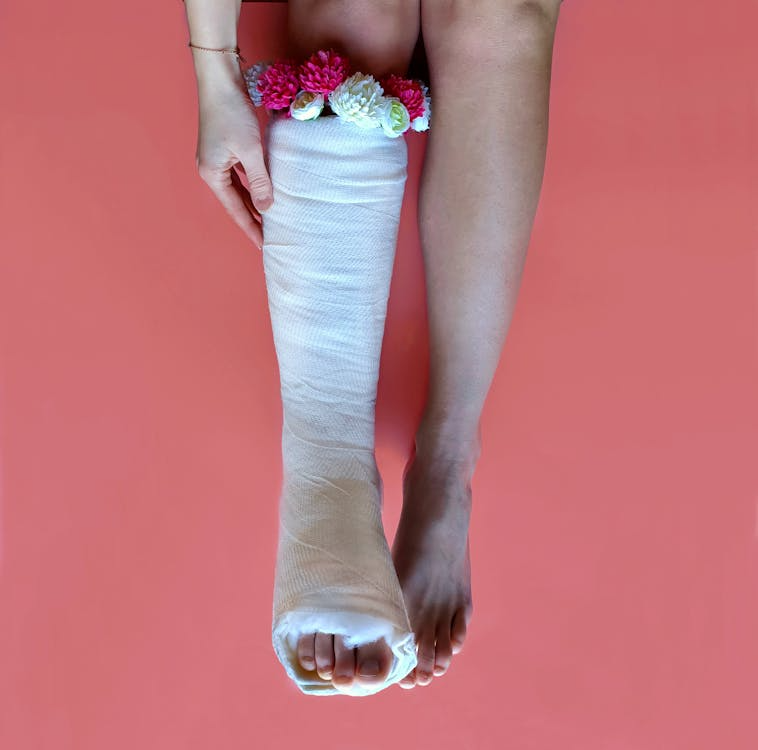
Patient Comfort First: The New Tech Behind Breathable Blood Clot Wraps
Deep Vein Thrombosis (DVT) prevention only works if the patient actually wears the device. Traditionally, blood clot wraps have been a major source of frustration—thick, non-porous materials that trap heat and moisture against the limb.
Read More
From Ward to Wash: The Molecular Science of Longevity in Medical Fabrics
For hospital procurement officers, the lifecycle of a garment is often measured by its resistance to the industrial laundry cycle. However, the true durability of medical fabrics is determined long before the first wash, starting at the molecular level of the fiber itself.
Read More
The Integrated Wardrobe: Helping DFW Clinics Build a Unified Professional Identity
In the rapidly expanding healthcare landscape of North Texas, a clinic’s visual presentation is often the first point of contact for both patients and prospective employees. As the Dallas-Fort Worth metroplex becomes a primary destination for specialized medical care, the competition for elite talent has intensified. Clinics are now discovering that a fragmented or dated appearance can undermine their professional identity, making it harder to establish a sense of clinical authority in a crowded market.
Read More
Anti-Microbial Fatigue: How to Tell When Your Scrubs’ Protective Coating Has Expired
In the modern clinical environment, antimicrobial textiles serve as a silent layer of defense against cross-contamination. Many healthcare facilities now invest in high-performance fabrics infused with silver ions or copper compounds to inhibit the growth of bacteria and fungi.
Read More
San Antonio’s Military-Medical Needs: Designing Ruggedized Apparel for Trauma Centers
San Antonio holds a unique position as a global leader in military medicine and emergency response. Home to some of the busiest Level I trauma centers in the nation, the city’s healthcare environment is characterized by high-velocity care and extreme physical demands.
Read More