
The "Invisible" Brace: How Sleek Designs are Changing Scoliosis Care
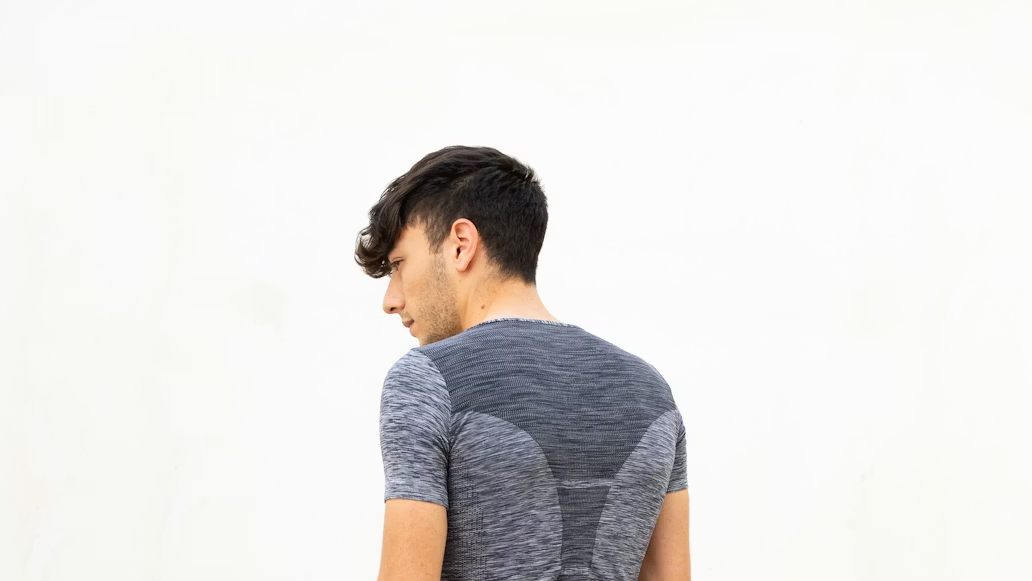
Low-profile scoliosis brace designs utilize advanced material science to provide corrective spinal support while remaining virtually undetectable under clothing.
For decades, the medical industry treated scoliosis bracing as a purely mechanical challenge. The resulting garments were often cumbersome, rigid, and highly visible, leading to significant psychological distress and low compliance rates among patients. Today, the narrative is shifting. The emergence of the invisible brace represents a transition from heavy hardware to high-performance medical apparel, prioritizing both clinical efficacy and wearer discretion.
From Rigid Hardware to Technical Apparel
The primary goal of a scoliosis brace is to provide corrective pressure to the spine. Historically, this required thick plastic shells that were difficult to conceal under clothing. Modern breakthroughs in material science have allowed us to move away from these "all-or-nothing" rigid designs. By utilizing a "low-profile" approach, designers can now create braces that are thinner and more contoured to the human anatomy.
This evolution relies heavily on technical textiles that offer high tensile strength without the bulk. By integrating flexible panels with rigid supports only where necessary, the modern invisible brace allows for a degree of movement that was previously impossible. This flexibility doesn't just improve comfort; it ensures that the brace remains functional during a patient's daily activities, from sitting in a classroom to light physical movement.
Precision Engineering for Patient Outcomes
Correcting spinal curvature requires precise force application. In the past, this often resulted in "hot spots" or areas of intense skin irritation. The development of custom pressure point body braces in Texas, manufactured by Stitch Texas, addresses this by utilizing 3D-modeling to identify exactly where support is needed. By distributing pressure more evenly across the torso, these garments reduce the risk of skin breakdown while maintaining the corrective integrity of the device.
For those seeking a custom back brace for posture and scoliosis in Dallas, the focus has shifted toward breathable, moisture-wicking materials. Texas heat presents a unique challenge for brace wearers; traditional plastics trap sweat against the skin, leading to discomfort and non-compliance. Advanced mesh liners and perforated fabrics ensure that the microclimate under the brace stays cool and dry, which is essential for garments that must be worn for up to 23 hours a day.
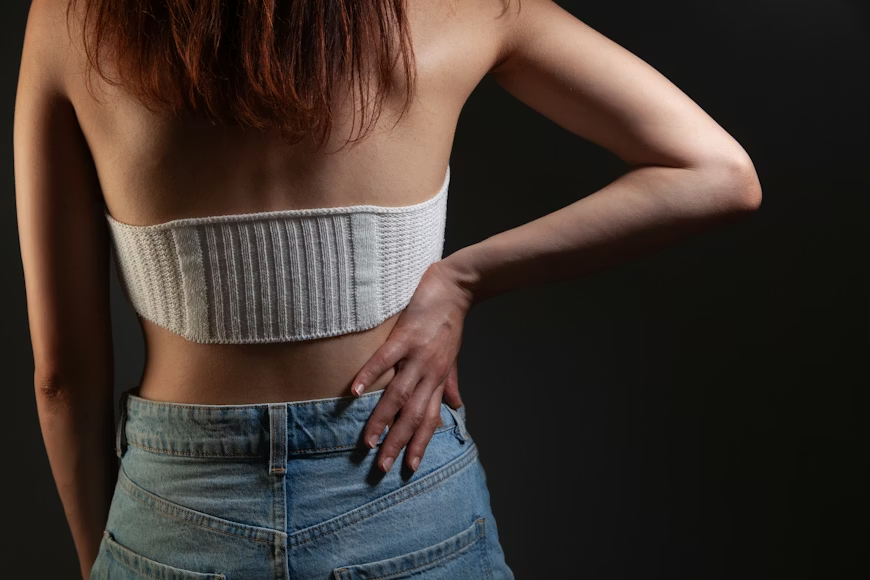
The integration of moisture-wicking textiles and precision pressure-point engineering improves patient compliance by addressing the thermal and physical challenges of long-term bracing.
Enhancing Compliance Through Discretion
The psychological impact of a visible medical device cannot be overstated, particularly for adolescent patients. When a back brace for posture and scoliosis in Dallas is designed with a low-profile silhouette, it empowers the patient to maintain their personal style without the brace defining their appearance. This sense of normalcy is a major driver of clinical success.
By prioritizing custom pressure point body braces in Texas, manufactured by Stitch Texas, facilities are seeing a measurable improvement in patient outcomes. When a brace feels like a garment rather than a cage, patients are more likely to adhere to their treatment protocols. The future of orthopedic care lies in this "stealth" technology—where the most effective tool is the one the patient almost forgets they are wearing.
Collaborate on Your Next Orthopedic Innovation
At Stitch Texas, we are redefining the boundary between medical hardware and wearable technology. We understand that a successful orthopedic design must be as comfortable as it is corrective. Our team is ready to help you navigate the complexities of technical textile sourcing, precision pattern making, and domestic production. If you have a vision for a next-generation wearable, we invite you to start a collaborative design session with us. Let’s work together to create medical solutions that support patients with dignity and technical excellence.