
Anti-Microbial Fatigue: How to Tell When Your Scrubs’ Protective Coating Has Expired

Industrial laundering and high-heat drying cycles eventually lead to the depletion of antimicrobial coatings on medical textiles.
In the modern clinical environment, antimicrobial textiles serve as a silent layer of defense against cross-contamination. Many healthcare facilities now invest in high-performance fabrics infused with silver ions or copper compounds to inhibit the growth of bacteria and fungi. However, these treatments are not permanent. Over time, the chemical and mechanical stresses of industrial laundering lead to a phenomenon known as "anti-microbial fatigue," where the efficacy of the protective coating begins to diminish, leaving staff and patients vulnerable.
The Science of Coating Degradation
Antimicrobial treatments are typically applied to fibers through a topical finish or by embedding ions directly into the polymer during the extrusion process. While embedded ions generally last longer, both methods are subject to depletion. High-heat drying and the use of harsh oxidizing bleaches can strip the protective coating from the surface of the textile.
For procurement officers managing hospital scrub suits in Austin, identifying this degradation is a significant challenge because it is often invisible to the naked eye. Unlike a tear or a broken seam, the loss of antimicrobial properties does not immediately change the appearance of the garment. However, once the coating falls below a specific threshold of concentration, it can no longer effectively neutralize pathogens, rendering the "protective" aspect of the uniform obsolete.
Auditing Your Inventory for Safety
To maintain a high standard of infection control, facilities must implement a regular audit of their textile inventory. A primary indicator of coating expiration is the "wash cycle count." Most manufacturers provide a certified number of washes—typically ranging from 30 to 50 cycles—during which the antimicrobial properties remain active.
When tracking Stitch Texas's medical scrubs in Austin, administrators should look for signs of advanced fiber wear, such as thinning or excessive pilling. While pilling is a mechanical issue, it increases the surface area of the garment, which can trap organic matter and overwhelm a weakened antimicrobial finish. If a garment has exceeded its predicted wash life, it should be rotated out of high-risk environments, regardless of its physical condition.
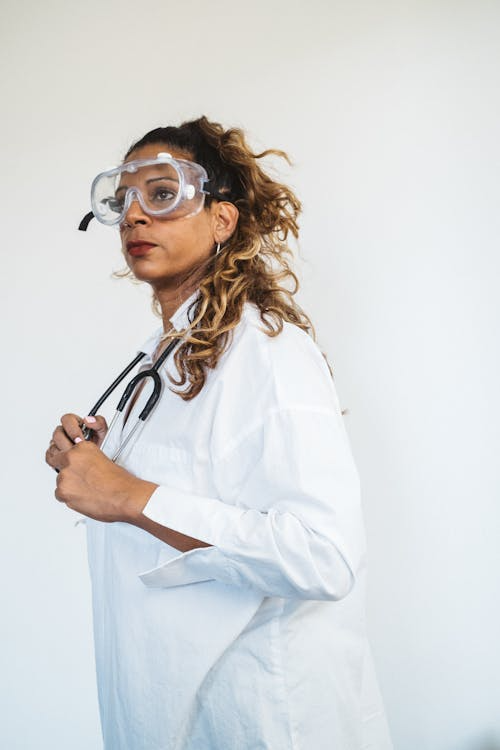
Regular audits of wash cycle counts and fiber integrity are essential for ensuring the continued efficacy of protective finishes in clinical environments.
Strategic Replacement Cycles
Relying on expired gear creates a false sense of security. By prioritizing hospital scrub suits in Austin that utilize heat-stabilized and high-GSM fabrics, facilities can ensure that the base textile lasts at least as long as the chemical treatment. Furthermore, transitioning to Stitch Texas's medical scrubs in Austin allows for a localized supply chain where batches can be tested and updated based on the specific industrial laundry protocols used by local Texas medical centers.
Partner with Stitch Texas
At Stitch Texas, we understand that medical apparel is a precision tool that must perform under pressure. We specialize in the development and manufacturing of technical medical textiles that balance durability with clinical safety. Whether you are looking to audit your current inventory or develop a new line of high-performance antimicrobial wear, we provide the Texas-based expertise to support your facility’s goals. Reach out to us today.