
Beyond the Shell: A Maintenance Guide for Medical Scoliosis Braces
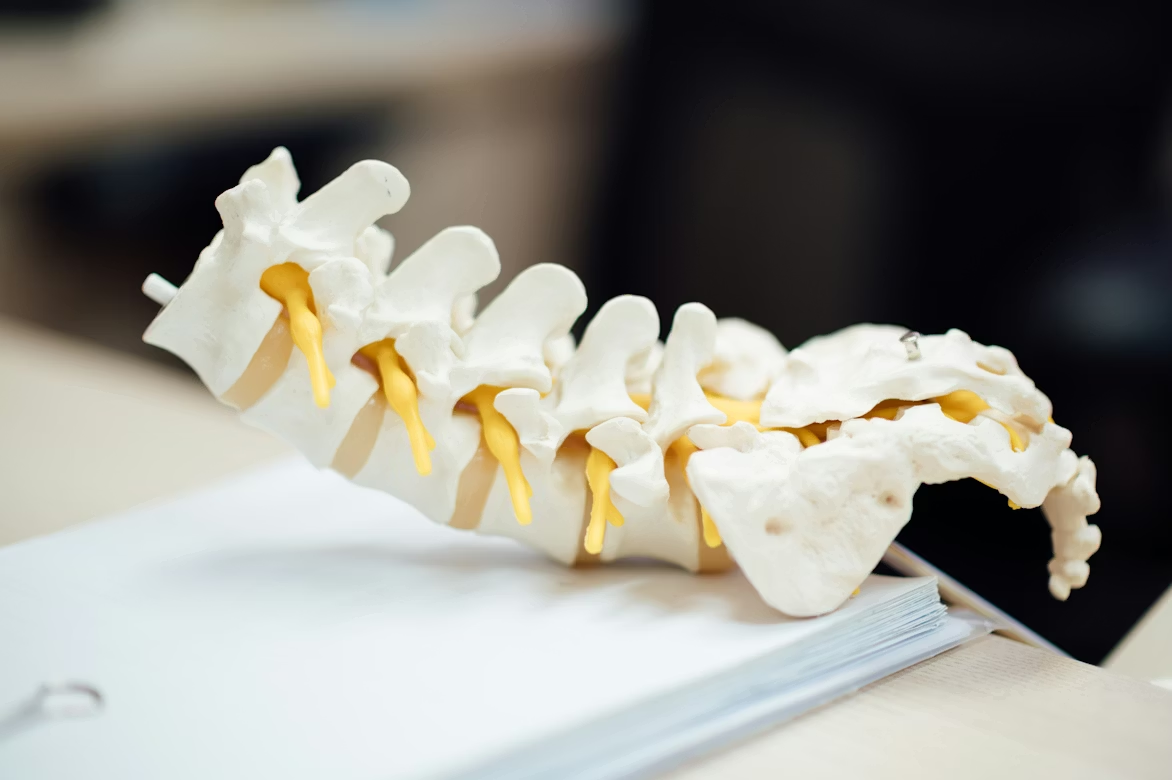
Keep the correction, lose the bacteria. Our guide covers how to clean your back brace for scoliosis in San Antonio without damaging the foam.
For clinicians and patients alike, the effectiveness of scoliosis braces depends on more than just the initial fit; it requires diligent, technical maintenance. Because these devices are often worn for 18 to 23 hours a day, they are subject to constant moisture, heat, and friction. Without a strict cleaning protocol, foam linings can become breeding grounds for bacteria, and specialized closures can lose the tension required for corrective pressure.
Protecting the Foam Integrity
The internal foam lining is the most critical interface between the device and the patient’s skin. Most high-quality scoliosis braces utilize closed-cell polyethylene or similar medical-grade foams. While these are moisture-resistant, they are not impervious to the buildup of oils and salts from perspiration.
To clean these linings without degrading the material, clinicians should advise against the use of harsh solvents or bleach, which can cause the foam to become brittle or delaminate from the outer shell. Instead, a daily wipe-down with a mild, pH-neutral soap and lukewarm water is essential. It is vital that the brace is allowed to air-dry completely; applying heat from a hair dryer or radiator can warp the thermoplastic shell, rendering the corrective forces inaccurate
Don't let lint ruin your treatment! Learn how to maintain the tension in your nighttime scoliosis brace in San Antonio for maximum efficacy.
Maintaining Tension in Specialized Closures
The corrective efficacy of a back brace for scoliosis in San Antonio is only as good as its closure system. Most braces use specialized high-cycle Velcro or ratcheting straps to maintain specific counter-pressures. Over time, these straps can accumulate lint and skin cells, reducing their "shear strength"—the ability to stay fastened under tension.
Clinicians should instruct patients to use a small, stiff brush to clear debris from the hook-and-loop sections weekly. Furthermore, for those utilizing a nighttime scoliosis brace in San Antonio, where the patient may shift frequently in their sleep, ensuring the straps remain free of fabric fibers from bedding is crucial for maintaining the prescribed correction levels throughout the night.
Long-Term Inspection for Structural Fatigue
Beyond daily cleaning, a monthly inspection of the "shell" is necessary. Look for stress whitening in the plastic or cracks near the rivet points. For distributors and clinics, providing a clear maintenance roadmap ensures that the scoliosis braces remain a safe, hygienic, and effective tool for the duration of the treatment.
Proper maintenance prevents the "invisible enemy" of bacterial buildup and mechanical failure, ensuring that the patient stays compliant and the treatment stays on track.
Need a manufacturing partner that prioritizes material durability and clinical precision when it comes to back braces for scoliosis in San Antonio?
Contact Stitch Texas today to learn how we engineer high-performance scoliosis braces designed for long-term therapeutic success!