
Engineering Lint-Free, Sanitary Scrub Caps for Ambulatory Surgery Centers
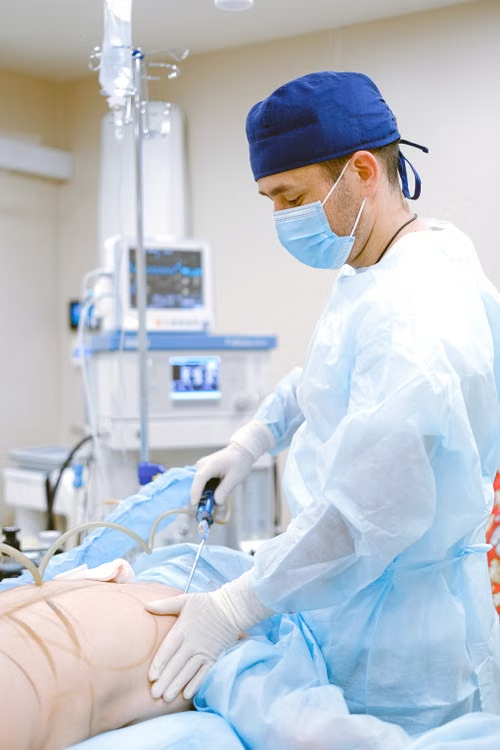
Utilizing continuous-filament synthetic textiles prevents fabric shedding and maintains strict particle containment in sterile operating rooms.
Ambulatory Surgery Centers (ASCs) operate under stringent infection control protocols where every piece of surgical attire must actively contribute to maintaining a sterile field. While surgical gowns and drapes undergo rigorous quality checks, operating room headwear plays a pivotal role in airborne particle containment and hair control. Designing high-grade sanitary scrub caps requires specialized technical textiles, enclosed seam engineering, and ergonomic adjustments to prevent microscopic lint shedding and ensure complete coverage during delicate outpatient procedures.
Particle Containment and Lint-Free Fabric Standards
Standard cotton weaves shed microscopic lint fibers that can drift into open surgical sites, creating severe contamination risks. To meet cleanroom and operating room sanitary standards, technical headwear must utilize high-density, continuous-filament synthetic yarns or fluid-repellent non-woven fabrics. These specialized weaves act as an unyielding barrier against hair and skin shed while resisting fabric breakdown. When manufacturing specialized surgical scrub caps in Austin, pattern makers must specify bound interior seams, enclosed surging, and flatlock stitching. Eliminating raw, exposed fabric edges prevents fraying and guarantees that sanitary scrub caps remain entirely lint-free through extended wear and industrial laundering cycles.
Integrating Absorbent Sweatbands for Thermal Comfort
Surgeons and surgical technicians work under high-intensity operating lights for extended hours, making perspiration control a primary safety consideration. Uncontrolled sweat can compromise the sterile field or cause distraction during delicate procedures. Incorporating hypoallergenic, moisture-wicking terry or microfiber sweatbands along the interior forehead panel absorbs sweat instantly before it reaches the face. Designing functional sanitary scrub caps with integrated thermal management keeps clinical staff cool, focused, and dry while preserving cleanroom hygiene standards throughout high-volume surgical schedules.
Ergonomic Patterns for Inclusive Coverage and Secure Fit
A major challenge in clinical headwear design is accommodating diverse hair volumes without compromising particle containment. Standard unisex caps often slide, gap, or crush hair uncomfortably. Engineering functional surgical scrub caps for women requires deep rear elastic pouches, adjustable ties, and contoured side panels that completely enclose long hair without applying pressure to the ears or temples. Designing specialized surgical scrub caps for women with dynamic fit adjustments eliminates gaps along the hairline, ensuring comprehensive hair containment for all surgical team members.
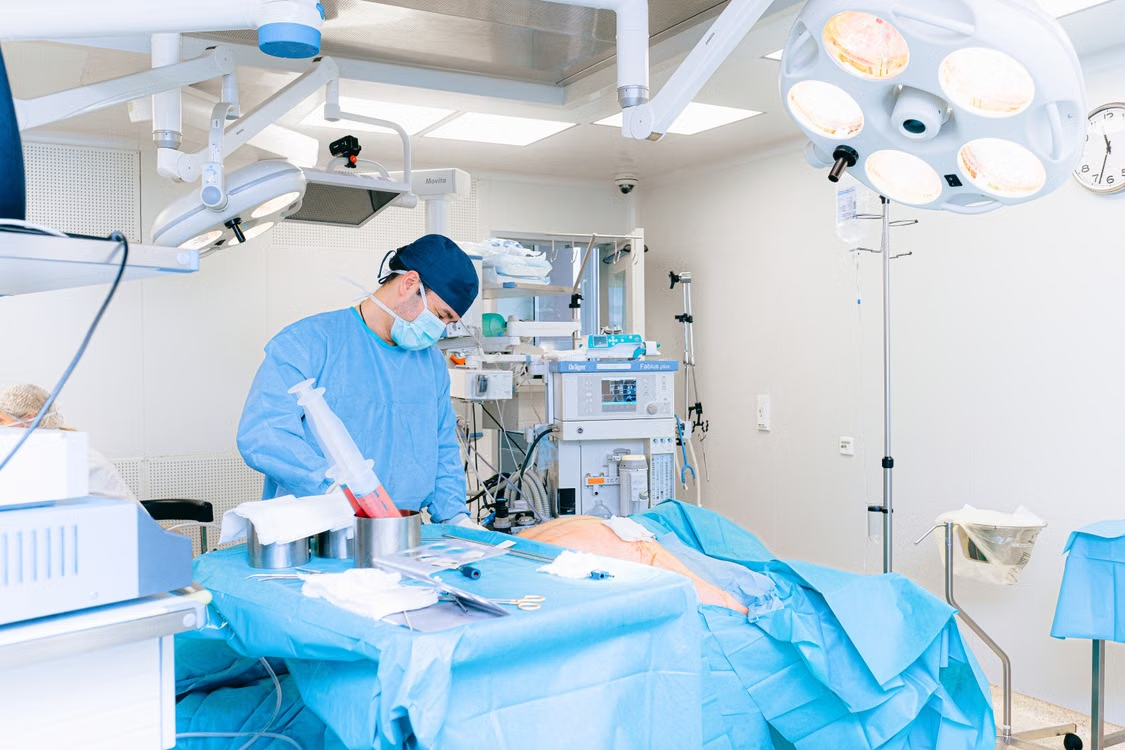
Designing clinical scrub caps with deep hair pouches and interior sweatbands ensures long-lasting comfort and complete hair coverage for surgical staff.
Quality Control and Domestic Development Pipelines
Developing clinical-grade headwear requires precise pattern grading, wash-durability testing, and strict quality control on the factory floor. Sourcing surgical scrub caps in Austin through a domestic manufacturing facility allows medical apparel brands to evaluate sample fit, inspect sweatband placement, and verify fabric shed rates before entering full production. Working with a local cut-and-sew partner provides complete transparency, flexible low-minimum order runs, and rapid turnaround times to keep outpatient surgery centers fully stocked with protective headwear.
Partner with Stitch Texas for Technical Headwear Production
At Stitch Texas, we offer the technical design expertise, specialized fabric sourcing, and domestic cut-and-sew manufacturing infrastructure required to produce high-grade medical apparel. Our team assists brands from initial pattern engineering through prototype refinement and low-MOQ production. Contact us today to optimize your supply chain and let our specialists manufacture your next collection of certified sanitary scrub caps.